

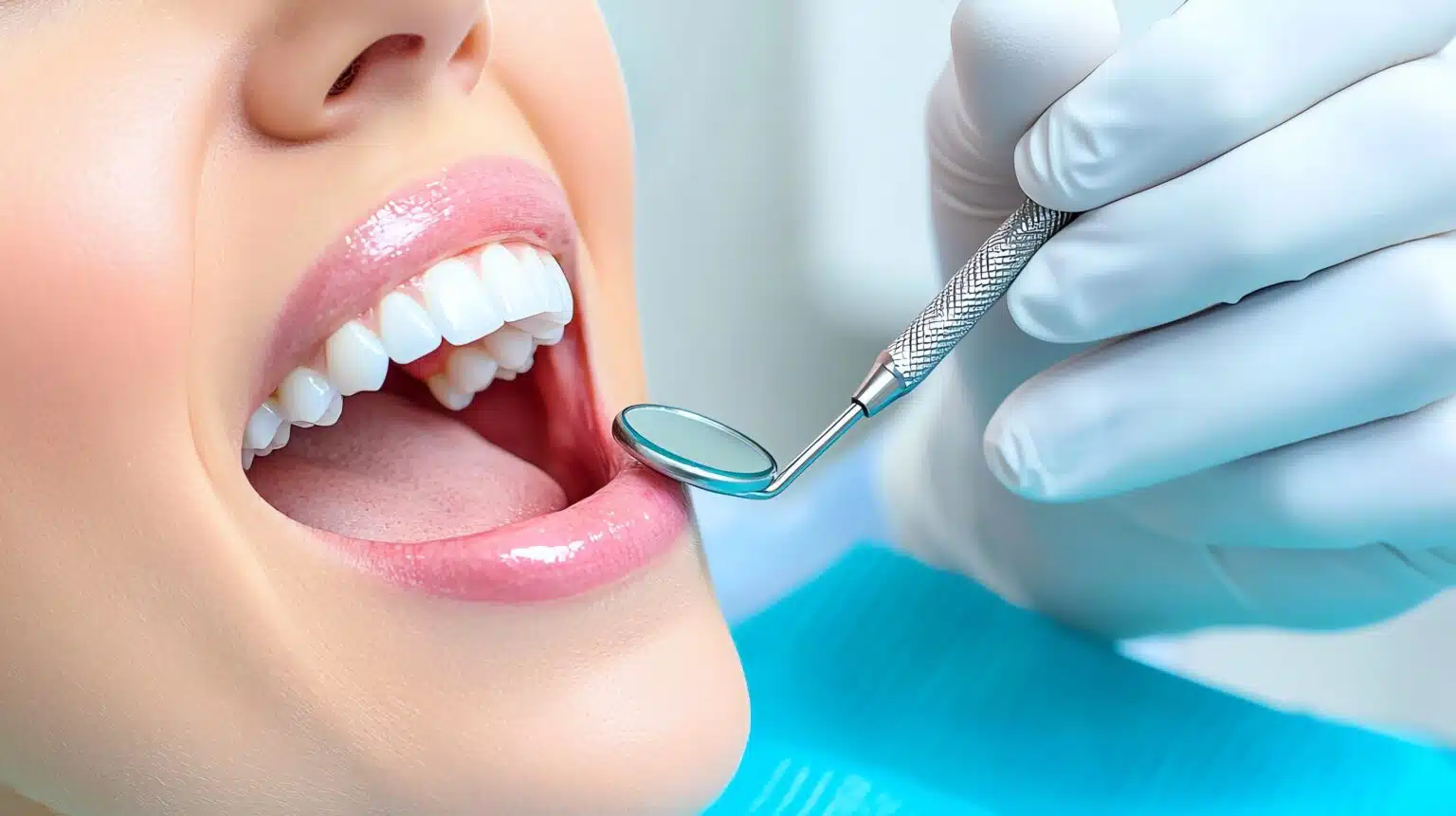
For decades, the standard recommendation for dental checkups has been deeply ingrained in the public consciousness: visit your dentist twice a year, or every six months, for a cleaning and exam. This rule of thumb is widely repeated in commercials, reinforced by insurance coverage structures, and passed down through generations. Yet, many people wonder if this timeline is a strict medical necessity or simply a convenient baseline.
Modern dentistry has shifted away from a one-size-fits-all approach to oral health. Clinical research indicates that dental health is highly individualized, and the frequency of your visits should be tailored to your specific risk factors, systemic health, and lifestyle habits. While the six-month rule serves as a reliable safety net for many, some individuals require much more frequent care, while others with excellent oral health can safely extend the interval between checkups.
The Origins of the Six-Month Rule
To understand why the six-month interval is so prominent, it helps to examine its history. Interestingly, the biannual recommendation did not originate from a groundbreaking scientific discovery. Instead, it largely stemmed from early twentieth-century marketing campaigns for toothpaste and preventative hygiene practices, which were later adopted by dental insurance plans as a standard baseline for coverage.
While it began as an educational push to get people to pay attention to their teeth, the schedule survived because it aligns well with the progression rates of common dental problems. For an average healthy adult, six months is typically a narrow enough window to catch emerging tooth decay or early-stage gum disease before these issues evolve into painful, expensive emergencies like root canals or tooth extractions.
Determining Your Specific Risk Category
Rather than adhering blindly to a calendar date, dental professionals now assess patients based on specific risk tiers. Your category can change throughout your life depending on aging, systemic health conditions, stress levels, and changes in diet or hygiene routines.
The Low-Risk Category
Individuals in this group generally maintain excellent oral hygiene and exhibit strong natural defenses against decay. If you fall into this category, you likely meet the following criteria:
-
No new cavities or active decay within the last few years.
-
Firm, pink, non-bleeding gums that show zero signs of inflammation.
-
A consistent daily routine consisting of brushing twice and flossing once.
-
A healthy diet low in processed sugars and acidic beverages.
-
Adequate natural saliva production.
For these low-risk individuals, visiting the dentist once or twice a year is perfectly sufficient to maintain optimal oral health. Some clinical guidelines even suggest that a single annual comprehensive exam can be completely safe for adults who maintain immaculate home care.
The High-Risk Category
Conversely, a substantial portion of the population falls into a high-risk classification. These individuals require more intensive monitoring, often necessitating office visits every three to four months. You may belong in the high-risk category if you experience any of the following factors:
-
A history of chronic periodontal disease, which requires regular deep cleanings to keep destructive bacteria from reaching the jawbone.
-
A high rate of recurrent cavities, which indicates a mouth environment highly favorable to acid-producing bacteria.
-
Chronic dry mouth, technically known as xerostomia, which is a common side effect of hundreds of prescription medications. Because saliva is the body’s natural defense against acid and bacteria, a lack of it accelerates tooth decay rapidly.
-
Certain systemic medical conditions, most notably diabetes, which can impair the body’s ability to fight off oral infections and inflammation.
-
Lifestyle factors such as tobacco use or heavy alcohol consumption, both of which significantly increase the risk of gum disease and oral cancers.
What Actually Happens Beyond Just a Cleaning
Many patients believe that if their teeth feel clean and they do not have a toothache, skipping an appointment is harmless. This perspective overlooks the fact that a dental checkup is a complex preventive screening that goes far beyond simple polishing.
During a routine visit, the dental team performs several vital clinical checks that you cannot replicate at home:
-
Oral Cancer Screenings: Dentists perform a thorough visual and tactile examination of your tongue, cheeks, palate, floor of the mouth, and throat to look for early signs of malignancy, which are frequently painless and invisible to the untrained eye.
-
Periodontal Pocket Measuring: Using a specialized instrument, the hygienist measures the depth of the space between your gums and teeth. Increases in these measurements provide an early warning of bone loss and advancing gum disease long before you notice loose teeth.
-
Tartar Removal: Even the most meticulous brushing and flossing cannot remove calculus, or tartar, once it has hardened onto the tooth surface. Only professional scalers can safely scrape this substance away before it triggers localized bone recession.
-
Diagnostic X-Rays: Periodic radiographs allow the doctor to see what is happening beneath the enamel, detecting decay between adjacent teeth, examining the health of the jawbone, and monitoring root health.
The Long-Term Financial Reality of Prevention
Skipping dental visits to save money frequently backfires. The financial reality of dental care is that preventive maintenance is highly affordable, whereas restorative procedures are notoriously expensive.
Catching a small patch of decay early allows a dentist to place a simple, minimally invasive filling that preserves your natural tooth structure and costs relatively little. If that same cavity is left unmonitored for an extra year or two because you skipped your appointments, the decay can easily reach the central nerve chamber of the tooth. Once this occurs, you will face an emergency scenario involving a root canal and a protective crown, which can cost thousands of dollars more than the early preventive intervention.
Ultimately, you should view your dental schedule as a fluid, personalized care plan. Talk openly with your dentist at your next appointment and ask for a candid assessment of your personal risk tier. By understanding your unique oral environment, you can establish a realistic, scientifically grounded schedule that protects both your smile and your overall health.
Frequently Asked Questions
If my gums bleed when I floss, should I wait for them to heal before seeing a dentist?
No, you should actually schedule an appointment sooner. Bleeding gums are a primary indicator of gingivitis, which is caused by the accumulation of bacterial plaque along the gumline. Waiting for them to heal on their own is usually counterproductive because home brushing cannot remove the hardened calculus driving the inflammation. A professional cleaning is necessary to break up the bacterial colonies and allow your gum tissue to recover fully.
Why do some dentists want to take X-rays at every visit while others wait longer?
The frequency of dental radiographs should be tailored to your individual rate of decay rather than a rigid timeline. A patient who develops multiple new cavities every year needs frequent X-rays to monitor the rapid progression of decay between the teeth. A healthy adult who has not had a single cavity in a decade can safely wait twenty-four to thirty-six months between routine screening X-rays, minimizing radiation exposure while still maintaining proper surveillance.
Does professional teeth cleaning weaken or wear down natural tooth enamel over time?
No, professional cleanings do not damage healthy enamel. The instruments used by dental hygienists are specifically designed to remove brittle tartar deposits without harming the incredibly dense, mineralized structure of your teeth. The polishing paste used at the end of the appointment does contain a mild abrasive to lift surface stains, but it is formulated to be completely safe for regular use and is applied with a soft rubber cup that exerts minimal friction.
Do adults who wear full dentures still need to see a dentist regularly?
Yes, individuals with full dentures should still see a dentist at least once a year. While there are no natural teeth left to develop cavities, the dentist must evaluate the health of the underlying gums, tongue, and jawbone structure. These annual exams are critical for conducting routine oral cancer screenings, checking the fit and stability of the prosthetic appliance, and ensuring the dentures are not causing chronic tissue irritation that could lead to painful ulcers or infections.
Can hormonal changes like pregnancy affect how often I need to go to the dental office?
Pregnancy significantly increases your risk of developing oral health issues due to shifting hormone levels, which can cause the gums to become hyper-responsive to small amounts of plaque. This condition, known as pregnancy gingivitis, can manifest as swollen, tender, and easily irritated gums. Because maternal oral infections are linked to systemic health outcomes, pregnant individuals often benefit from an extra professional cleaning during their second or third trimester to keep inflammation under strict control.
If I brush with an advanced electric toothbrush twice a day, can I safely skip appointments?
While an advanced electric toothbrush is highly effective at disrupted plaque, it cannot entirely replace professional care. Even the most perfect home hygiene technique cannot reach the deepest structural grooves of the back molars or navigate below the gumline where calculus tends to settle. Furthermore, home care cannot provide the comprehensive diagnostics, structural evaluations, and oral cancer screenings that occur during a professional clinical evaluation.

Comments are closed.