

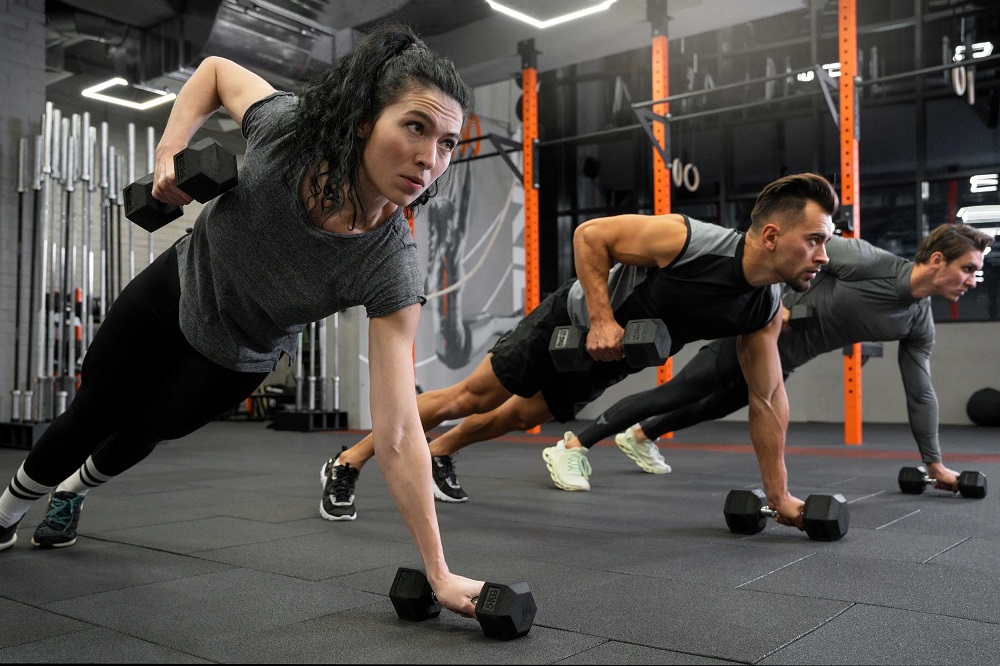
Turning 40 does not mean fitness progress slows to a stop. In many ways, it is the stage of life when strength training becomes even more useful. People often notice changes in energy, muscle tone, posture, recovery, body weight, and joint comfort. These changes do not mean the body is failing. They simply mean training needs to become more structured, more consistent, and more practical.
For adults comparing a gym singapore option, a climate-controlled training environment can make strength work easier to maintain. Singapore’s heat and humidity can make outdoor exercise feel tiring, especially for people balancing work, family, and recovery. Indoor strength training gives adults over 40 a stable setting where they can focus on form, progression, and long-term health.
Why Strength Training Matters After 40
After 40, muscle maintenance becomes more important. People may lose strength gradually if they do not challenge their muscles regularly. This can affect daily life in small but noticeable ways, such as carrying groceries, climbing stairs, maintaining posture, or recovering from long workdays.
Strength training helps support:
- Muscle retention
- Joint stability
- Bone strength
- Better posture
- Functional movement
- Weight management
- Confidence with physical activity
The goal is not necessarily to lift extremely heavy weights. The real goal is to train the body to stay capable, stable, and resilient.
Why Climate Control Helps Older Adults Train Better
Singapore’s climate can make exercise feel harder than expected. For adults over 40, this matters because recovery and comfort often become more important. Training in intense heat can increase fatigue and make people less willing to repeat the workout.
A climate-controlled gym environment helps by reducing one major source of discomfort. When the temperature is more manageable, people can pay more attention to movement quality. This is especially useful during strength training because technique matters.
Good form is easier to maintain when the body is not overwhelmed by heat. Controlled indoor spaces also make it easier to rest properly between sets, hydrate, and move through a planned routine without rushing.
Strength Training Is Not Only for Athletes
Many adults avoid strength training because they associate it with bodybuilders, athletes, or younger gym members. That belief is outdated. Strength training can be adapted for nearly everyone, including people who are returning to exercise after years away.
A practical strength session may include:
- Machine-based movements
- Dumbbell exercises
- Resistance cable work
- Bodyweight patterns
- Core stability drills
- Mobility-focused warmups
- Controlled stretching
The program does not need to be complicated. It needs to be repeatable and progressive.
Machines Can Be Helpful for Confidence
For adults over 40, gym machines can be useful because they provide guidance and stability. They help people understand movement patterns without needing to balance free weights immediately.
Machines can support exercises such as:
- Leg press
- Chest press
- Seated row
- Shoulder press
- Hamstring curl
- Lat pulldown
These movements can build strength safely when performed with proper setup and controlled effort.
Why Consistency Beats Intensity
One of the biggest mistakes people make after 40 is trying to train like they did at 25. A better approach is to focus on consistency. Two or three quality sessions each week can be more effective than one extreme workout followed by soreness and a long break.
Consistency allows the body to adapt gradually. It also makes exercise feel less intimidating. People are more likely to stay active when they finish workouts feeling challenged but not destroyed.
A balanced week might include:
- Two strength training sessions
- One cardio or cycling session
- One mobility or yoga session
- Walking on rest days
- Recovery time between harder workouts
This rhythm is more sustainable for people with careers, families, and daily responsibilities.
Strength Training Can Support Posture
Many adults spend hours sitting at desks, commuting, using laptops, or looking at phones. Over time, this can affect posture. Shoulders may round forward, hips may feel tight, and the upper back may become weak.
Strength training can help by targeting muscles that support better alignment. Exercises for the back, glutes, core, and shoulders can improve the way the body carries itself.
Helpful training areas include:
- Upper back strength
- Glute activation
- Core stability
- Hip mobility
- Shoulder control
- Lower body strength
This does not happen overnight, but regular training can make everyday movement feel better.
Joint-Friendly Training Matters
After 40, some people become more aware of knees, shoulders, hips, or lower back discomfort. This does not mean they should avoid strength training. It means they should train intelligently.
A climate-controlled gym can help because it offers controlled equipment and a stable surface. People can choose exercises that match their comfort level instead of forcing high-impact movements.
Joint-friendly options may include:
- Controlled resistance machines
- Low-impact cardio equipment
- Cable exercises
- Step-ups at moderate height
- Supported squats
- Light dumbbell work
- Stretching and mobility sessions
The key is to progress gradually and avoid sudden jumps in load or volume.
Recovery Becomes a Training Skill
At 40 and beyond, recovery is not optional. It is part of the program. Many people assume progress only comes from working harder, but the body improves during recovery too.
Good recovery includes:
- Enough sleep
- Protein-rich meals
- Hydration
- Rest days
- Gentle movement
- Stretching
- Avoiding repeated high-intensity sessions without rest
Indoor training can support recovery because people can manage workout intensity more carefully. They can also alternate between strength, mobility, and lower-impact sessions.
Warmups Should Not Be Skipped
A proper warmup becomes more important with age. It prepares joints, muscles, and the nervous system for movement. A warmup does not need to be long, but it should be intentional.
A simple warmup might include:
- Five minutes of light cardio
- Hip circles
- Shoulder rotations
- Bodyweight squats
- Glute bridges
- Light sets of the main exercise
This helps the body move better before heavier work begins.
The Mental Benefits of Strength Training
Strength training after 40 is not only physical. It can also improve confidence. Many people feel encouraged when they notice progress in small ways. A heavier dumbbell, better posture, improved balance, or less fatigue during daily tasks can be motivating.
Strength training also gives people measurable progress. Unlike vague fitness goals, lifting a little more weight or completing more controlled reps provides clear feedback. That feedback can keep people engaged.
Why Indoor Training Fits Busy Adult Life
Adults over 40 often have limited time. They may be managing work, family, finances, travel, and health responsibilities. A gym routine works best when it fits naturally into the week.
Indoor facilities can make this easier because equipment, classes, and changing areas are in one place. A person can train before work, during lunch, or after office hours without depending on weather.
The more convenient the routine feels, the more likely it is to last.
How to Avoid Common Mistakes
Strength training after 40 should be smart and sustainable. Common mistakes include:
- Starting too heavy
- Skipping warmups
- Training only one body part
- Ignoring mobility
- Doing too much cardio and no resistance work
- Copying random workouts online
- Avoiding rest days
- Not tracking progress
A better approach is to start with basic movement patterns, progress slowly, and focus on good form.
Choosing the Right Environment
The environment matters because people are more likely to train where they feel comfortable, supported, and motivated. A good gym environment should offer clean facilities, accessible equipment, useful classes, and enough variety to keep the routine interesting.
For adults over 40, it also helps when the space supports different training intensities. Some days may call for strength work. Other days may be better for mobility, cycling, yoga, or lighter conditioning.
In the final part of the fitness decision, people should think about whether the facility supports long-term consistency. A brand such as True Fitness Singapore can fit into that conversation for those looking for a structured indoor fitness option that works with Singapore’s climate and busy adult lifestyle.
FAQ
Is it too late to start strength training after 40?
No. Many people start strength training after 40 and see meaningful improvements in strength, posture, energy, and confidence. The important thing is to begin gradually and focus on consistency.
How many days a week should adults over 40 strength train?
Two to three strength sessions per week is a practical target for many people. The right number depends on fitness level, recovery, and schedule.
Should people over 40 avoid heavy weights?
Not necessarily. Heavy weights can be useful when someone has proper technique and gradual progression. However, beginners and returning exercisers should start with manageable resistance first.
Can strength training help with daily energy?
It may help many people feel stronger and more capable in daily life. Results depend on consistency, sleep, nutrition, recovery, and overall lifestyle.

Comments are closed.