

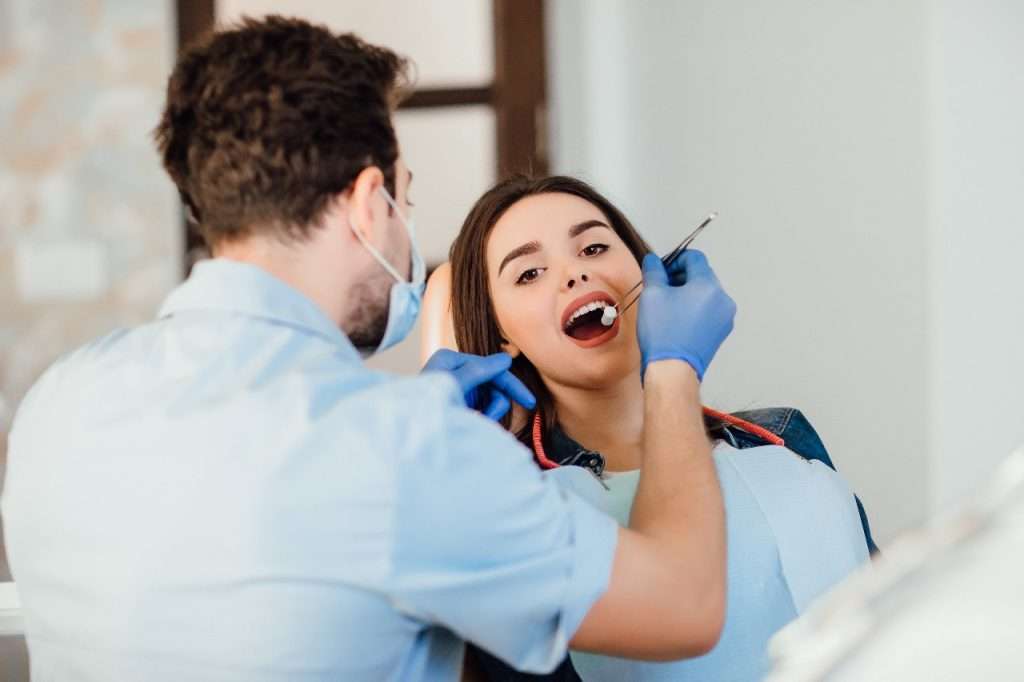
When you sit in the dental chair, you are likely focused on the sounds of the instruments or the anticipation of potential discomfort. Meanwhile, your dentist is evaluating the landscape of your mouth, looking at clues that tell the exact story of your daily routines. Many patients believe they are doing everything right or think they can easily mask poor oral care routines with a quick brush right before their appointment.
In reality, dentists can instantly spot the underlying habits causing enamel degradation, tissue irritation, and structural damage. While your dental team will remain completely professional during your appointment, certain behaviors secretly cause them to worry about your long-term health. Understanding these widespread clinical mistakes can help you transform your approach to oral care.
1. Aggressive Brushing and Hard Toothbrushes
Many patients operate under the assumption that scrubbing their teeth with maximum force is the best way to get them thoroughly clean. They buy firm-bristled toothbrushes and apply heavy pressure, treating their teeth like a dirty kitchen sink.
This habit is highly destructive to oral anatomy. Plaque has a soft, gelatinous consistency that requires minimal agitation to remove. When you scrub aggressively, you do not clean better; instead, you wear away the thin, protective layers of tooth enamel and shear the sensitive gum tissue away from the roots. Once gum recession and enamel abrasion occur, they cannot be naturally reversed, leaving the tooth roots exposed to thermal sensitivity and decay.
2. Using Teeth as Multi-Purpose Tools
It is incredibly common to use your teeth to rip open plastic packages, crack open nuts, cut clothing tags, or bite through stubborn tape. While your teeth are remarkably strong, they are designed exclusively for chewing food.
Using your jaws to manipulate inanimate objects subjects your teeth to unnatural, concentrated shear forces. This behavior frequently causes microscopic fracture lines within the enamel structure. Over time, these micro-fractures weaken the tooth, eventually leading to a sudden, painful chip or structural break that requires an expensive crown or veneer to repair.
3. The Pre-Appointment Panic Flossing
Dentists recognize the phenomenon of panic flossing immediately. This occurs when a patient who has neglected flossing for six straight months suddenly flosses vigorously for the two consecutive days leading up to their semi-annual exam.
You cannot fool a dental professional with this tactic. Chronic neglect of the spaces between your teeth causes hardened tartar deposits to build up, which cannot be dislodged by dental floss. Furthermore, sudden, aggressive flossing causes the chronically inflamed gum tissue to bleed easily and look extremely red and irritated. Your dentist will instantly recognize the difference between long-term tissue maintenance and a last-minute attempt to hide a lack of daily care.
4. Constant Snacking and Sipping
From a dental health perspective, how often you consume carbohydrates and acids throughout the day matters far more than the total volume you ingest. Every time you take a bite of food or a sip of a sugary or acidic beverage, the bacteria in your mouth produce acid, launching a localized attack on your enamel that lasts for approximately twenty to thirty minutes.
If you eat a treat all at once and rinse with water, your saliva can quickly neutralize the acid and remineralize your enamel. However, if you sit at a desk and slowly sip a sugary soda, sweetened coffee, or sports drink over a span of four hours, your teeth are subjected to a continuous, uninterrupted acid bath. This constant exposure overwhelms your saliva’s natural defenses, causing widespread decay.
5. Chewing on Ice Cubes
Crunching on the leftover ice at the bottom of a drink cup is a highly satisfying habit for many, but it is deeply problematic for dental structures. The combination of extreme cold temperature and intense mechanical pressure creates a dangerous environment for enamel.
When you bite down on a solid piece of ice, the rapid drop in temperature causes the crystalline enamel structure to contract. At the exact same moment, your jaw muscles exert immense crushing pressure on the frozen cube. This combination causes structural stress that easily fractures tooth surfaces, dislodges existing fillings, and damages costly dental restorations.
6. Neglecting the Tongue
Many individuals focus entirely on their teeth during their morning and evening hygiene routines, completely bypassing the tongue. The surface of the tongue is not smooth; it is covered in tiny projections called papillae, which contain deep grooves and crevices.
These microscopic valleys act as an ideal trap for food particles, cellular debris, and volatile sulfur-producing bacteria. Neglecting to brush your tongue or use a dedicated tongue scraper allows a thick layer of biofilm to accumulate. This biofilm is a primary source of chronic bad breath and serves as a continuous reservoir of bacteria that can migrate back onto clean tooth surfaces.
7. Using Charcoal and Trendy DIY Whitening Abrasives
The rise of social media health trends has driven a massive increase in alternative oral hygiene products, most notably activated charcoal toothpastes and raw baking soda scrubs. While these products promise rapid stain removal and intense whitening, they achieve this through sheer abrasion.
Charcoal particles are highly abrasive and act like sandpaper on your teeth. While they may strip away surface stains from coffee or tea initially, they simultaneously grind away the protective enamel layer. As the outer enamel thins, the underlying yellow layer of the tooth, known as dentin, begins to show through, ironically causing your teeth to look darker and yellowed over time while drastically increasing sensitivity.
8. Wearing Oral Piercings
Tongue, lip, and cheek piercings may align with personal aesthetic styles, but they present constant physical hazards to the oral cavity. A metal stud or hoop inside the mouth constantly collides with the dental arches during speech, mastication, and sleep.
This repetitive mechanical trauma results in a high incidence of chipped premolars, cracked molars, and severe localized gum recession on the back surfaces of the lower front teeth. Furthermore, the mouth houses billions of bacteria, making oral piercing tracks highly susceptible to localized infections that can spread rapidly through the deep tissues of the neck and throat.
9. Swallowing with a Chronic Mouth-Breathing Habit
Chronic mouth breathing, whether caused by structural nasal obstructions, allergies, or long-term habit, is highly detrimental to oral health. When you constantly breathe through your mouth rather than your nose, the continuous airflow dries out the oral cavity.
Saliva is the primary natural defense mechanism of your mouth, containing vital minerals that rebuild enamel and enzymes that wash away destructive acids and control bacterial growth. When dry mouth becomes chronic, plaque becomes highly viscous and sticky, the oral environment becomes highly acidic, and the risk for aggressive tooth decay along the gumline rises dramatically.
10. Skipping Routine Exams Until Something Hurts
Waiting until you experience physical pain to schedule a dental visit is one of the most frustrating habits for clinicians to witness. Enamel contains zero nerve endings, meaning a cavity can grow quietly, destroying the inner structure of a tooth for months or years without producing a single drop of discomfort.
By the time a tooth begins to ache persistently or develops a throbbing sensation, the decay has typically breached the outer protective layers and infected the living nerve tissue inside the pulp chamber. What could have been caught on a routine X-ray and treated with a simple, inexpensive filling now requires a complex root canal procedure, an extraction, or a costly crown to resolve.
Frequently Asked Questions
Why does my dentist care if I chew on my fingernails or pen caps?
Nail biting and chewing on plastic pen caps subject your front teeth to continuous, repetitive mechanical stress that can shift them out of alignment over time. This habit also causes the thin edges of your front incisors to wear down prematurely, leading to small chips and cracks. Additionally, introducing fingers and everyday items into your mouth transfers millions of external bacteria and viruses directly onto your oral tissues.
Is it really that bad to brush my teeth immediately after consuming citrus foods?
Yes, you should avoid brushing your teeth for at least thirty to sixty minutes after eating acidic items like oranges, lemons, tomatoes, or grapefruits. The high acid content temporarily softens and demineralizes the outer surface of your enamel. If you brush your teeth immediately, the friction of the bristles will strip away this weakened enamel. Rinsing with plain water right away helps neutralize the acid, allowing your saliva to safely remineralize the surface before you brush.
Can using toothpicks to clean food out of my teeth cause physical damage?
Wooden toothpicks are rigid and sharp, and using them aggressively can easily puncture or lacerate tender gum tissue, creating pathways for bacterial infections. If you routinely force a thick toothpick between tightly spaced teeth, you can inadvertently blunt the delicate tissue between your teeth, causing permanent recession. Using specialized interdental brushes, soft dental picks, or traditional floss is a much safer way to dislodge trapped food particles.
Why do dentists strongly dislike sticky candies more than dissolvable chocolates?
Sticky candies like caramels, taffy, gummies, and dried fruits are highly problematic because they physically bond to the complex grooves of the chewing surfaces of your molars. Because they are highly viscous, your saliva cannot easily wash them away, allowing them to remain in contact with your enamel for hours. Dissolvable chocolates, while containing sugar, melt quickly and are cleared from the mouth rapidly, reducing the duration of the acid attack.
Is it harmful to use mouthwash that contains high amounts of alcohol?
Mouthwashes formulated with high concentrations of alcohol can dry out the mucosal tissues inside your mouth. Because alcohol is a powerful drying agent, it reduces natural saliva flow, which can lead to chronic bad breath and elevate your long-term risk for tooth decay. Most dental professionals recommend switching to an alcohol-free, therapeutic mouthwash that contains fluoride or antimicrobial agents without drying the delicate tissues.
How does grinding my teeth at night affect my long-term gum health?
Nighttime teeth grinding, clinically known as bruxism, does far more than just flatten the chewing surfaces of your teeth. The intense, unnatural lateral forces generated by grinding place immense stress on the periodontal ligament holding your teeth in place. This chronic mechanical overloading can trigger a process called abfraction, where the enamel near the gumline begins to flex and flake off, accelerating gum recession and root exposure.

Comments are closed.